Guilds
Skill-Based Voluntary Associations
A guild within the Network is a voluntary association of individuals who share a common trade, craft, skill, or area of knowledge. Unlike traditional, state-sanctioned guilds, ours operate on principles of consent, mutual aid, and decentralized collaboration. They are living examples of how expertise can flourish and be shared in a free society, providing essential services and fostering innovation outside coercive systems.
Guilds are an essential, dynamic component of the Network, designed to empower individuals and strengthen our collective pursuit of freedom. Born from voluntary association, they unite people around shared trades and passions, offering pathways for growth and collaboration and providing unparalleled opportunities for skill acquisition and practical experience outside traditional systems.
How many skills would you pursue if you had access to paid training or free learning on any subject you desired?
There will be voluntary structures that benefit people in different trades. They will be organic, but our network favors those which adhere to certain principles. These are Guilds. We divide these into two tiers which, between the two, provide opportunities for growth in a myriad of modalities. If you can't find the Guild you want, you can be the one to create the next great Guild.
Guilds provide members with access to benefits, such as exclusive access to jobs, bounties, and Guild properties.
Inner Guilds
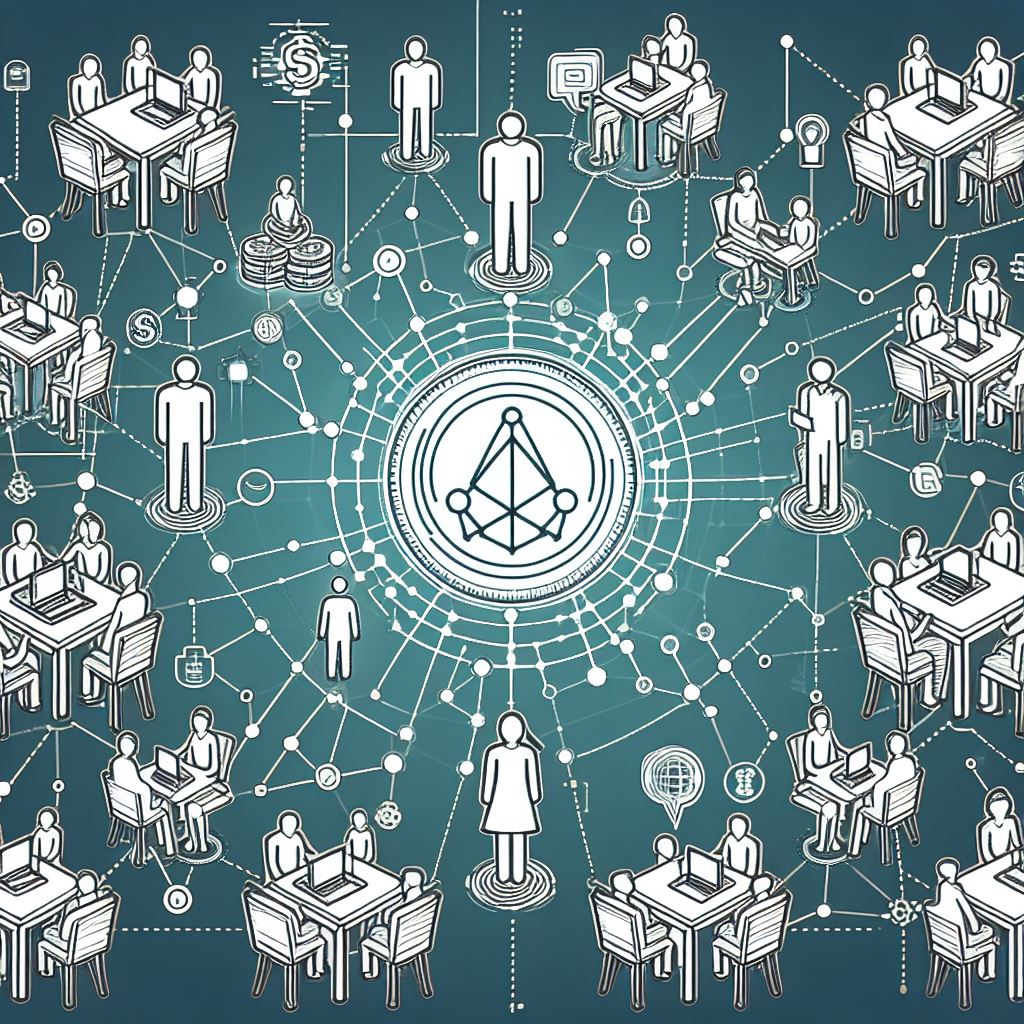
Inner Guilds fulfill a number of requirements which other Guilds do not necessarily follow. They must allow for learning and movement.
A Guild is organized by those within the Guild. They are decided by unanimous consent by default. That can change but as such the status of the Guild might shift. All Guilds, inner and outer, must adhere to the Non-Aggression Principle and seek to attain higher levels of anarchy in all interactions and transactions.
Inner Guilds accommodate people who are in these categories:
- Intermediary: Mid-level practitioners bridging beginners and masters
- Intermittent: Those who participate occasionally rather than full-time
- Interdisciplinary: People pursuing multiple trades or combining skills
- Noncommittal: Exploring without long-term obligation
- Beginner: Just starting to learn the trade
Four Core Principles of Inner Guilds
An Inner Guild must adhere to these four core principles:
-
They must accept new members.
No closed door policy—anyone genuinely interested in learning the trade can join.
-
They must accept auditors, meaning those who want to learn.
People can observe and learn without full membership commitment.
-
They must have a process of accepting inter-Guild ambassadors, students, and collaborations.
Guilds don't operate in isolation—they cooperate and share knowledge across trades.
-
The above three must be determined at the discretion of the entire Guild with unanimous consent.
The Guild collectively decides how to implement these principles, not a single leader.
If a Guild by unanimous consent decides to not adhere to one of the core principles, but still desires to adhere to the Non-Aggression Principle and conduct trade with other anarchists, they may be considered an Outer Guild.
Outer Guilds
Any Guild that does not wish to adhere to one or more of the four core principles but still adheres to the Non-Aggression Principle and does not involve the state may be considered an Outer Guild. They will still be listed in our literature and welcomed in the Agora.
Additionally, newer Guilds or Guilds that are duplicate and not as large as other Inner Guilds may also be considered an Outer Guild until they reach a certain size or maturity.
Examples of Outer Guilds:
- Master-only guilds: Requiring certain skill level before entry
- Closed membership guilds: Limited slots for quality control or resource constraints
- Specialized guilds: Serving niche markets with specific entry requirements
- New guilds: Still developing their structure and capacity
Outer Guild status isn't a value judgment—it's a categorization. Both Inner and Outer Guilds serve important functions in the Network ecosystem.
What Guilds Bring to the Network
- Support for the Community: Skilled members available to help with projects and problems
- Wealth to the Community: Economic activity stays within the Network rather than feeding external systems
- Occupations for People: Paths to earning income through valuable work
- Occupational and Interdisciplinary Development: Continuous learning and skill cross-pollination
How Guilds are Run
- Community organized and run: No external hierarchy imposed from above
- Common four core principles and NAP: Shared foundation across all Guilds
- Unanimous consent by default: Major decisions require everyone's agreement
- Transparent processes: Members understand how decisions are made
- Reputation-based advancement: Progress through demonstrated competence, not credentials
Agorist Hosts and Guilds
A person's time at an agorist host location can lead them into a Guild. Hosts often have specific trades or skills they practice, and guests who show interest and aptitude can transition from visitor to apprentice to full Guild member.
Determine: How far have you walked down the path? How far can you speak the language?
Your progression in a Guild isn't about how long you've been a member—it's about demonstrated competence and contribution. Some people advance quickly through natural talent and dedicated practice. Others take years but master the fundamentals thoroughly. Both paths are valid.
Guild Membership Tiers
Tier 1: Apprentice/Member
Benefits:
- Gets discounts on goods or services from other Guild members
- Access to private Guild communication channels ("secret chats")
- Connection to more customers through Guild network
- Access to Guild properties and equipment
Requirements:
To enter Tier 1, complete 10 hours of labor/training and pass the basic competency assessment. Then accumulate 100 hours of practice/work until eligible for Tier 2.
Tier 2: Journeyman/Advanced Member
Requirements and Benefits:
To enter Tier 2, there are certain core achievements one attains, alongside any achievements their specific Guild may consider minimum requirements for advancement.
- Barter freely with other Guild members (trusted for fair dealing)
- Take on skilled opportunities that require proven competence
- Mentor Tier 1 members and auditors
- Participate in Guild decision-making through unanimous consent
- Represent the Guild in inter-Guild collaborations
Tier 3: Master/Faculty
While not explicitly detailed here, most Guilds develop a third tier for those who've achieved mastery—individuals who can teach the trade, develop innovations, and serve as Guild representatives to the broader Network.
Intra-Guild Jobs
These are positions that serve the entire Guild network—helping Guilds form, connect, and function effectively across the Network.
Welcome Team
- Guild Information Specialist: Helps newcomers find appropriate Guilds
- Guild Placement Support: Matches people's skills and interests to Guilds
Guild Builders
- Guild Starters Support: Helps people create new Guilds
- Recruitment: Attracts skilled individuals to Guild network
- Intra-Guild Relations: Facilitates cooperation between Guilds
- Dispatcher / Communications Coordinator: Routes work opportunities to appropriate Guilds
Hosts
- Private Land Host for Individuals and Groups: Provides property access for Guild activities
- Workshop Host for Individuals and Groups: Offers physical space for training and production
- Land Stewards for Properties: Maintains Guild-owned or Guild-affiliated land
In-Guild Jobs
These are positions within individual Guilds—the internal structure that makes each Guild function.
Welcome Team
- Guild Information Specialist: Orients new members to specific Guild
- In-Guild Placement Support: Matches members to appropriate projects and mentors
Main (Core Trade Positions)
- Tradesperson: Actively practicing the trade professionally
- Apprentice: Learning the trade through hands-on work
- Working Instructor: Teaches while still actively practicing
- Master/High-Level Faculty: Expert practitioners who can certify others
- Guild Store Owner / Tender: Manages Guild marketplace presence
Commerce
- Resource Creation: Produces raw materials for Guild work
- Tool Creation: Makes specialized equipment for the trade
- Equipment Upkeep: Maintains shared Guild tools and facilities
- Tool / Materials Sourcing: Finds and acquires what the Guild needs
- Trade: Handles buying/selling on behalf of Guild
- Media Crew: Documents Guild work, creates educational content
- Guild-Specific Bounty Bringing: Finds paid opportunities for Guild members
Hosts (Guild-Specific)
- Private Land Host for Individuals/Groups: Opens property for Guild use
- Workshop Host for Individuals/Groups: Provides workspace
- Land Stewards for Guild Owned Properties: Manages Guild real estate
Guild Support
- Security for Guild: Protects Guild property and members
- Locations Acquisition and Host Management: Finds and maintains Guild spaces
- Guild Needs: Identifies and addresses operational requirements
- Guild Events: Organizes gatherings, training, festivals
- Emergency Preparedness Guild Representative: Coordinates disaster response within trade
Member Support
- Member Recruitment: Brings new people into Guild
- Guild Member Needs: Ensures members have what they need to succeed
Ambassadors
- To Other Guilds: Represents this Guild in collaborations
- To General Public: Outreach and education about the trade
- From Other Guilds: Welcomes ambassadors from other Guilds
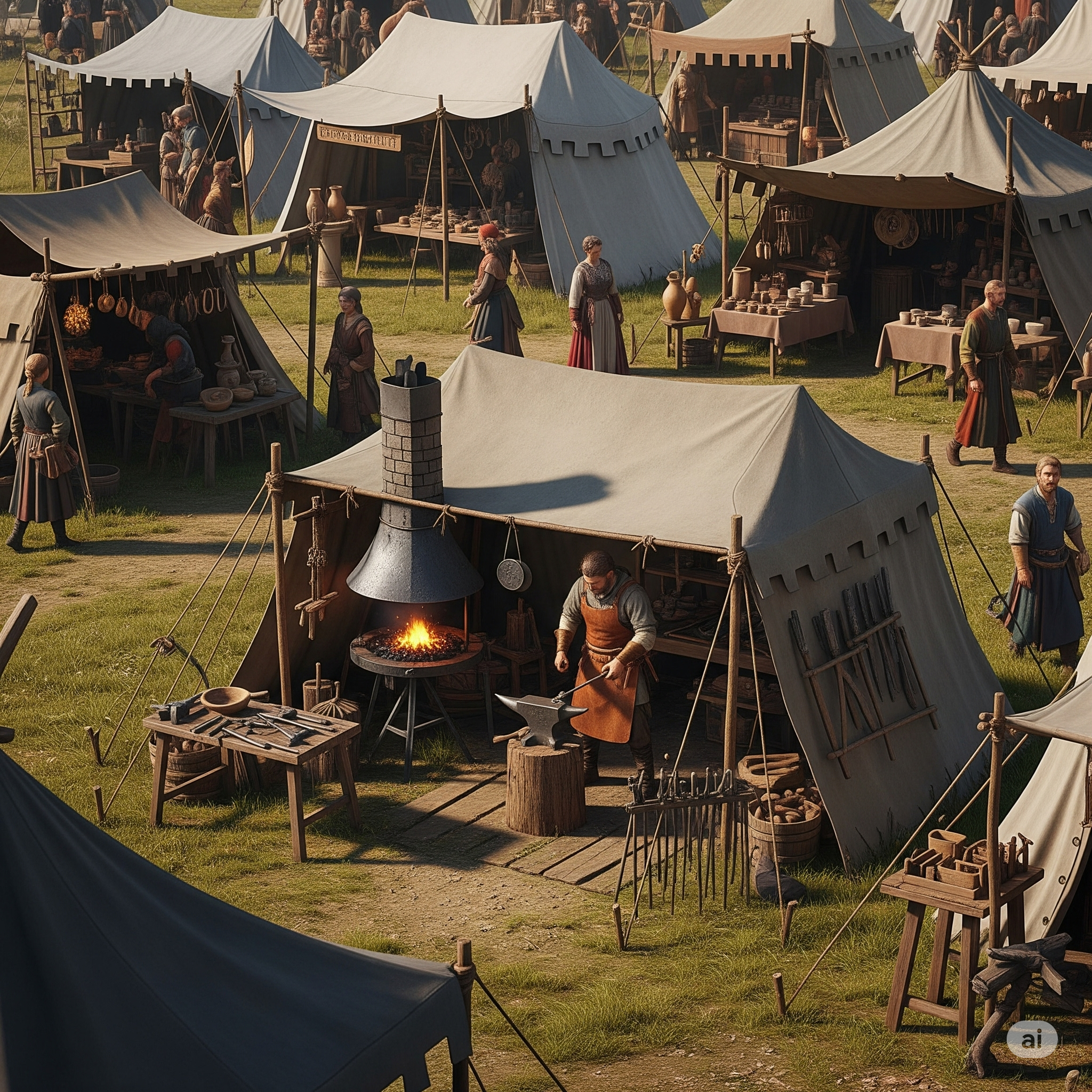
List of Guilds
This is not an exhaustive list—it's a sampling of Guilds that exist or could exist within the Network. If you don't see your trade listed, that's your invitation to start it.
Builders Guilds
Architects, Stone Layers, Road Makers, Plumbers, Carpenters, Electricians, Bushcraft Structures, Aircrete, Alternative materials and methods
Intrapersonal Guilds
Connection Games, Counseling, Conflict Resolution, Authentic Relating
Mechanics Guilds
Car Mechanics, Bicycle Mechanics, Computer Mechanics, Software Engineers
Media Guilds
Filmmakers, Writers, Philosophy, Graphic Design, Web Development
Fabrication Guilds
Metalworkers, Woodworkers, Glassblowers, 3D Printers, Gunsmiths, Reloaders, Recyclers, Welders
Emergency Response Guilds
First Responders, Counter Intelligence Guild, Fire Safety, Disaster Coordination
Protection Guild
Ranged, Melee, Weapons, Armor, Tactics, Security
Agriculture Guilds
Farming, Livestock, Permaculture, Food Preservation, Seed Saving
Start Your Own
Don't see your trade? You can be the one to create the next great Guild. Start by:
- Identifying 2-3 other practitioners in your trade
- Establishing your commitment to the four core principles
- Creating basic structure (how you'll teach, organize, progress members)
- Connecting with the Guild Builders team for support
- Listing your Guild in the Network directory
Your Next Steps
Ready to develop security and preparedness skills? Visit Freedom Guard for training frameworks.
Want to understand how Guilds connect with Network properties? See Network Hosts.
Looking for Guild opportunities or to list your skills? Check The Bounty Board.